
Did the Field Get the Name Wrong?
The clinical literature has had the right name for thirty years.

Camino Institute™ - A Transformation Practice
There is a moment that most senior leaders recognize when they hear it described, even if they have never named it. They have done something they were asked to do. They did it competently, perhaps expertly. They will do it again if asked. And something in them has not recovered from having done it the first time.
The leadership development field has been calling this burnout for the better part of a decade. The diagnosis travels well. It fits inside the wellness industry. It implies a restoration path that organizations can fund without admitting structural culpability. The person is depleted. The person needs rest, boundaries, a sabbatical, a mindfulness practice. The intervention is calibrated to the metaphor: if the battery is low, recharge it.
But the people I am describing are not low on energy. They are functioning at full operational capacity in most of the dimensions their organizations measure. What is absent is something the battery metaphor cannot hold. They do not know who they are in relation to the work they have done. The continuity between the person who performed the action and the person who lives with the memory of it has fractured. That is not depletion. It is a different kind of injury entirely, and the clinical literature has had the name for it since 1991.
Jonathan Shay named moral injury in his work with Vietnam veterans. He was trying to explain something that post-traumatic stress disorder described only partially. PTSD is what the nervous system does when it has survived a physical threat: the body remains mobilized for a danger that has passed. Moral injury is what happens to the self when it has survived a violation of what it believed it stood for. The two can co-occur. But they are not the same event, they do not share a mechanism, and they do not respond to the same interventions.
Brett Litz, William Nash, and a small group of trauma researchers spent the next three decades developing the construct with military populations. The core description: moral injury occurs when a person perpetrates, fails to prevent, or witnesses events that transgress deeply held moral beliefs, in contexts where the person had no recognized authority to refuse. The injury is not to the body and not to the threat-response system. It is to the internal architecture that organizes the person’s relationship to their own actions and to the institutions they operate within. The person knows what they did. The self watching the memory cannot find continuity with the self who performed it.
I spent twenty years in the U.S. Air Force, several of them as Director of Psychological Health. The populations I worked with carried both presentations, sometimes layered, sometimes distinct. The clinical distinction between them was not academic. A person with PTSD and a person with moral injury require different frameworks, different timelines, different relational orientations from the people treating them. Calling the wrong one by the other’s name produces the wrong intervention. Reliably.
The leadership development field arrived at the same phenomenon through a different door and gave it the wrong name.
The healthcare executive who watched her hospital ration ventilators in 2020 and is now two years into a career transition she cannot fully explain is not tired. Her nervous system is not hyperactivated. She is a person who made decisions under institutional pressure that she could not refuse, in conditions that gave her no legitimate vocabulary for the moral weight of what she was being asked to carry. The wellness framing offered to her afterward — mindfulness, executive coaching, peer support groups — assumed depletion and offered restoration. The actual problem was a fracture in the relationship between who she believed herself to be and what the institution required her to do. Rest does not repair that.
The school superintendent who led a community through three years of political pressure over curriculum decisions, who watched colleagues lose positions for holding views she shares, who kept doing the work because students needed continuity of leadership, is not describing burnout when she says she is no longer sure what she believes about her own profession. She is describing the specific sequela of having been asked to act in ways that required continuous suppression of her own moral response. That is a clinical description with a clinical name. The wellness industry offers it a spa weekend.
The middle manager who has now executed three rounds of layoffs, each of which he was told would be the last, who understood his role as protecting the people reporting to him and has spent five years doing the opposite of that repeatedly, is not exhausted. He is performing the function of his role while something structurally significant is happening to his relationship to it. The distinction between a depletion model and a structural-rupture model determines whether what he needs is better boundaries or a fundamentally different frame for understanding what has happened to him.
The reason the leadership development field has resisted the clinical name is not primarily a knowledge gap. The literature is available. The term has been in use for thirty years. The resistance is structural: moral injury is a clinical construct, and acknowledging it requires acknowledging that some of what the field has been treating as a wellness problem is actually a clinical one. The wellness industry is not credentialed to deliver what moral injury requires. Burnout fits inside its business model. Moral injury does not.
This is worth naming precisely because the mainstream conversation is beginning to catch up. Publications have started appearing in the past several months applying the moral injury framework to organizational settings, to middle managers, to healthcare administrators, to anyone who has been asked by an institution to act against the structure of what they believed their role was supposed to protect. The momentum is building. What is not yet building at the same pace is the precision.
Moral injury is not a synonym for ethical discomfort. It is not what happens when an employee disagrees with a decision. It requires a specific configuration: the person perpetrates or is made complicit in an action that violates a deeply held moral belief, in conditions where the institutional structure gave them no recognized means of refusal. The injury is to the architecture of self-continuity. The mechanism is specific. The intervention it requires is specific.
When the field gets the name right, the intervention changes. It stops being a restoration effort directed at a depleted resource and starts being a reorganization effort directed at a fractured relationship between a person and their own history of action. The difference in trajectory is significant. The difference in what the person needs from the people around them is significant.
The term is available. The clinical literature is three decades deep. The question the next ten years of leadership development will answer is whether the field is willing to use the right name for what it has been seeing, and willing to follow that name to where it leads.
That path does not end at a wellness program. It ends somewhere more demanding and more honest than that.
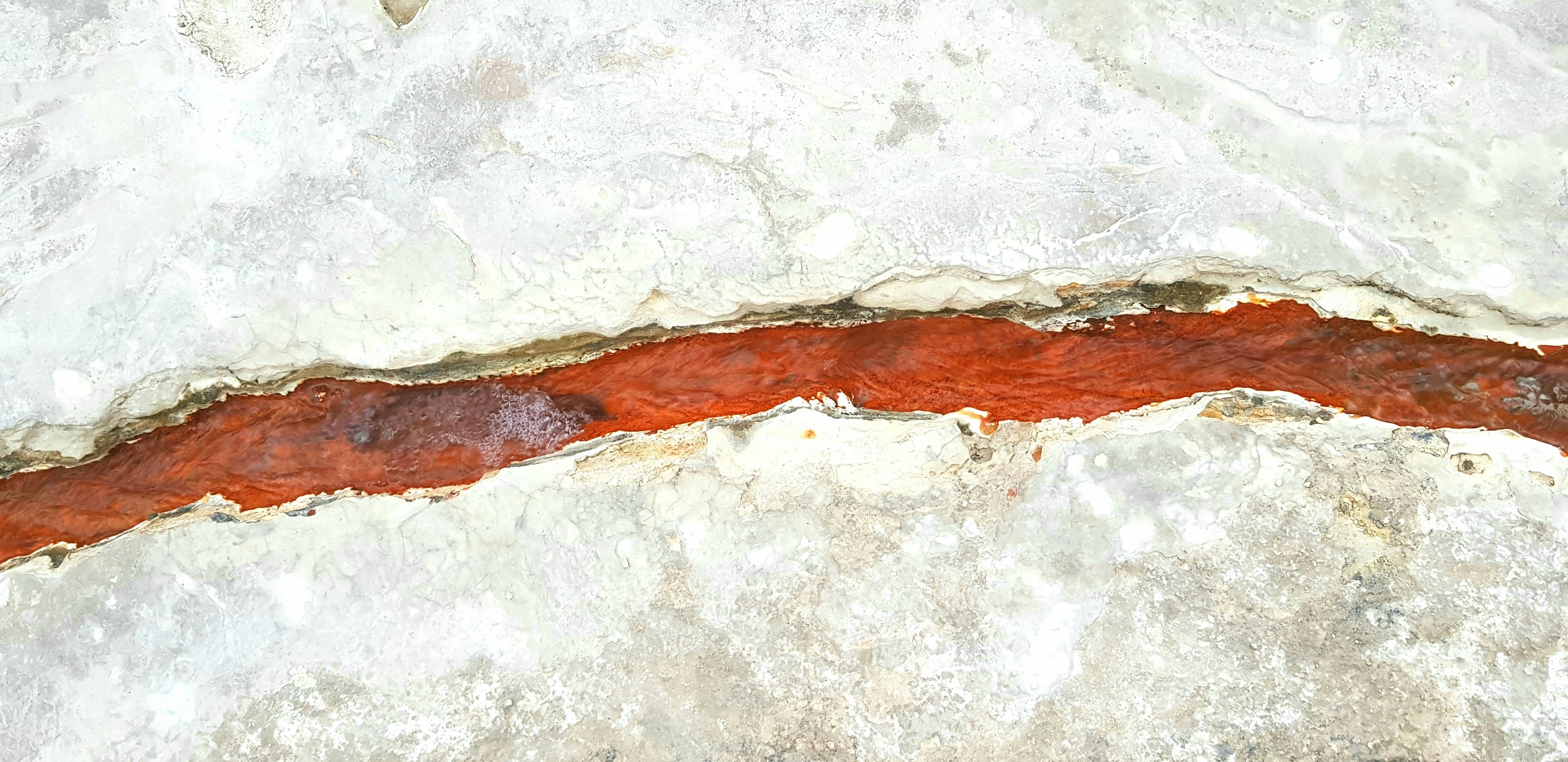
The photograph above has not changed. You have. What is it saying now?
Walter Calvo is Co-Founder and Clinical Director of Camino Institute™, a transformation practice grounded in 2,500 years of philosophical wisdom and sustained clinical experience. He is a Licensed Clinical Social Worker and retired Air Force officer, former Director of Psychological Health and Director of Organizational Consulting, and holds a Doctor of Business Administration. He has taught management, leadership, and organizational development at the graduate level.