
Friday Note: Philosophy as Operating Architecture
On the difference between philosophy as decoration and philosophy as architecture.

Camino Institute™ - A Transformation Practice
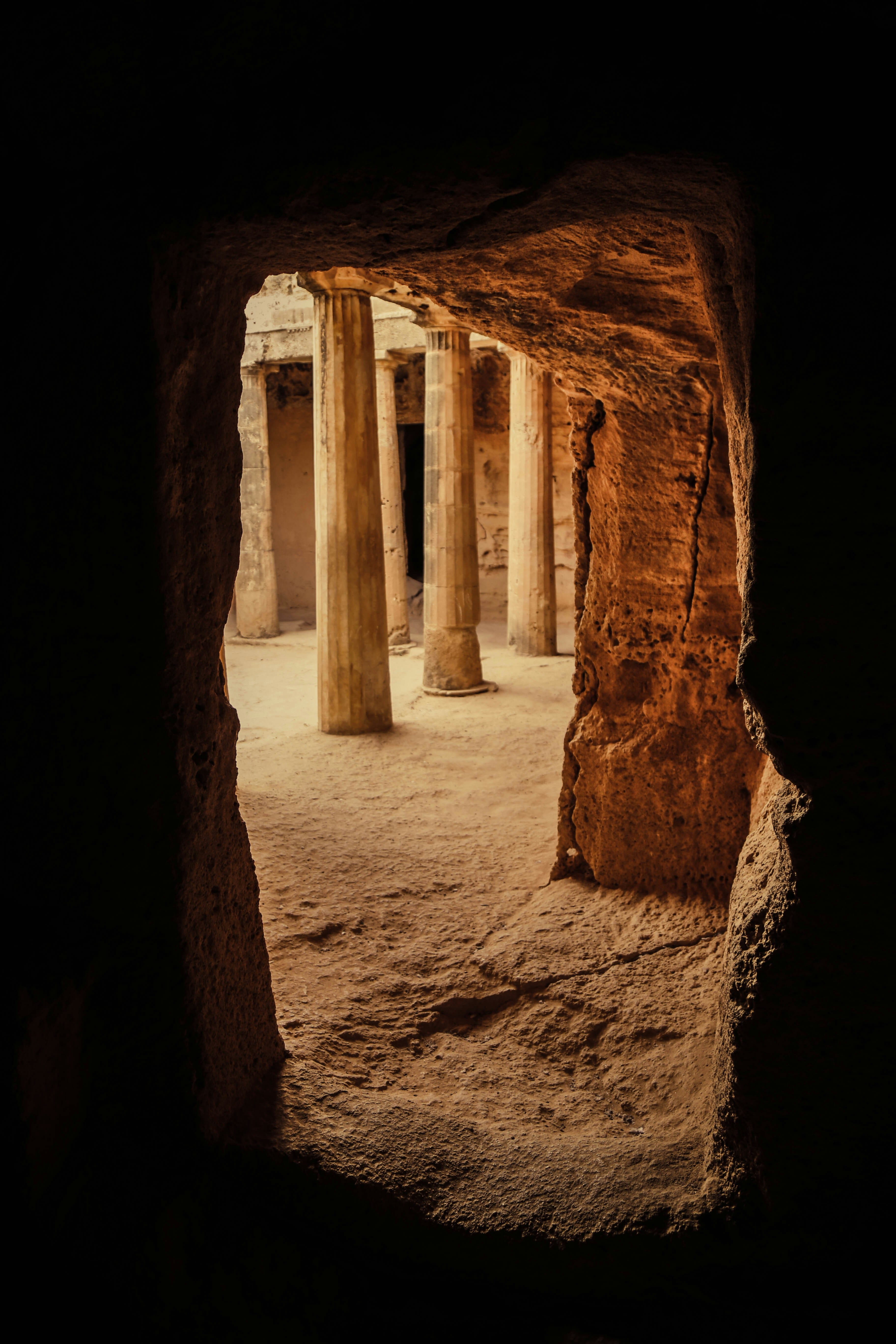
Most readers in the leadership development field discount philosophy before the second sentence arrives. Words, not work. Talk, not action. The only image that registers is a marble bust, and the bust stands for everything the field has decided is irrelevant. That dismissal is the elephant in the room. It is also the reason development change does not hold.
When Aristotle distinguished phronesis from technê, he was not making a stylistic choice between two Greek words. He was making a distinction the leadership development field still has not fully recovered. Phronesis is practical wisdom, the capacity to read a situation accurately and act well within it. Technê is technical skill, the capacity to produce a desired outcome by a reliable method. The two are different in kind, not in degree. A field that builds curricula around technê without phronesis produces practitioners who can execute but cannot judge. The development field has spent thirty years getting better at technê, and it shows. What it has not gotten better at, by any measurable standard, is the formation of practical wisdom in the people it claims to develop.
The Stoics, working a few centuries later, named a different distinction the field has set aside. They distinguished what is up to us from what is not up to us, and they built an entire practice around the disciplined attention required to tell the difference. This is not a decorative observation. It is the architecture beneath every coaching conversation that ever produced lasting change. When a client moves from blaming circumstances to taking responsibility for their response to circumstances, they are walking the path Epictetus mapped. Most coaches who have produced this shift in their clients have never read Epictetus. The work happens anyway, because the architecture is real whether or not the practitioner can name its source.
This is what “philosophy as architecture rather than accessory” means. The work is doing philosophical operations whether the practitioner knows it or not. The question is whether the practitioner is operating with awareness of the architecture or without it. The difference shows up in the moments the methodology is asked to bear weight it was not designed to carry.
A technique without architecture works until it does not. When it breaks, the practitioner has nowhere to stand and nothing to consult. A technique grounded in architecture has somewhere to stand. The practitioner can return to the foundational distinctions, ask which one has been violated, and recover the work. This is not abstract. It is the difference between a clinical conversation that holds across difficulty and one that comes apart the moment the territory turns unfamiliar.
The leadership development field has been operating without the architecture for long enough that it has forgotten what working with the architecture feels like. The frameworks the field generates and discards every five to ten years are technê without phronesis. They are technique without the structure that would tell a practitioner why the technique works, when it does not apply, and what to do when the situation exceeds the technique’s design parameters. The frameworks fade because they were never built to carry the weight the field eventually asks of them.
A practice built this way, grounded in 2,500 years of philosophical inquiry, not as a historical reference but as live architecture, operates differently. Identity, Worldview, and Relationship are not three categories invented to organize clinical observation. They are what Aristotle, Augustine, Kierkegaard, and the existentialists were each pointing at from different angles, made operational and integrated into a coherent triad. The clinical work of the last thirty years is what allowed the integration. The philosophical inquiry is what makes the integration coherent rather than eclectic.
The honest claim about such a practice is not that it discovered something new. The honest claim is that it does carefully what the field has been doing carelessly, by working with the architecture rather than around it. That is a smaller claim than the field’s usual marketing. It is also a more durable one.
The interesting question is not whether philosophy belongs in development work. The interesting question is whether a development practice can survive long-term contact with the world without the architecture philosophy provides and what kind of practice it becomes when it tries.
The photograph above has not changed. You have. What is it saying now?
Walter Calvo, LCSW, DBA — Co-Founder and Clinical Director, Camino Institute™